







The right DPG cutting oils are fragrance-grade, low-odor, clear, and skin-safe, and it comes in a size that matches how much you actually blend. For perfume oils, work at 1 part fragrance to 1-3 parts DPG. For incense dipping, use a thinner mix so the sticks absorb evenly and dry without sticky residue.
If you blend perfume oils, dip incense sticks, or fill roll-ons for customers, the diluent you pick decides how your final product smells, how long it lasts, and whether it feels clean on skin. Pick the wrong one and you get a cloudy mix, a chemical note sitting under your top notes, or sticks that never dry properly. Below is a practical guide to picking the right one and using it well.
What Is DPG Cutting Oil?
DPG stands for Dipropylene Glycol. It is a clear, odorless liquid used to dilute or stretch concentrated fragrance oils without changing their scent profile. Perfumers call it a cutting oil or a diluent because it “cuts” the strength of a concentrate down to a wearable or burnable level.
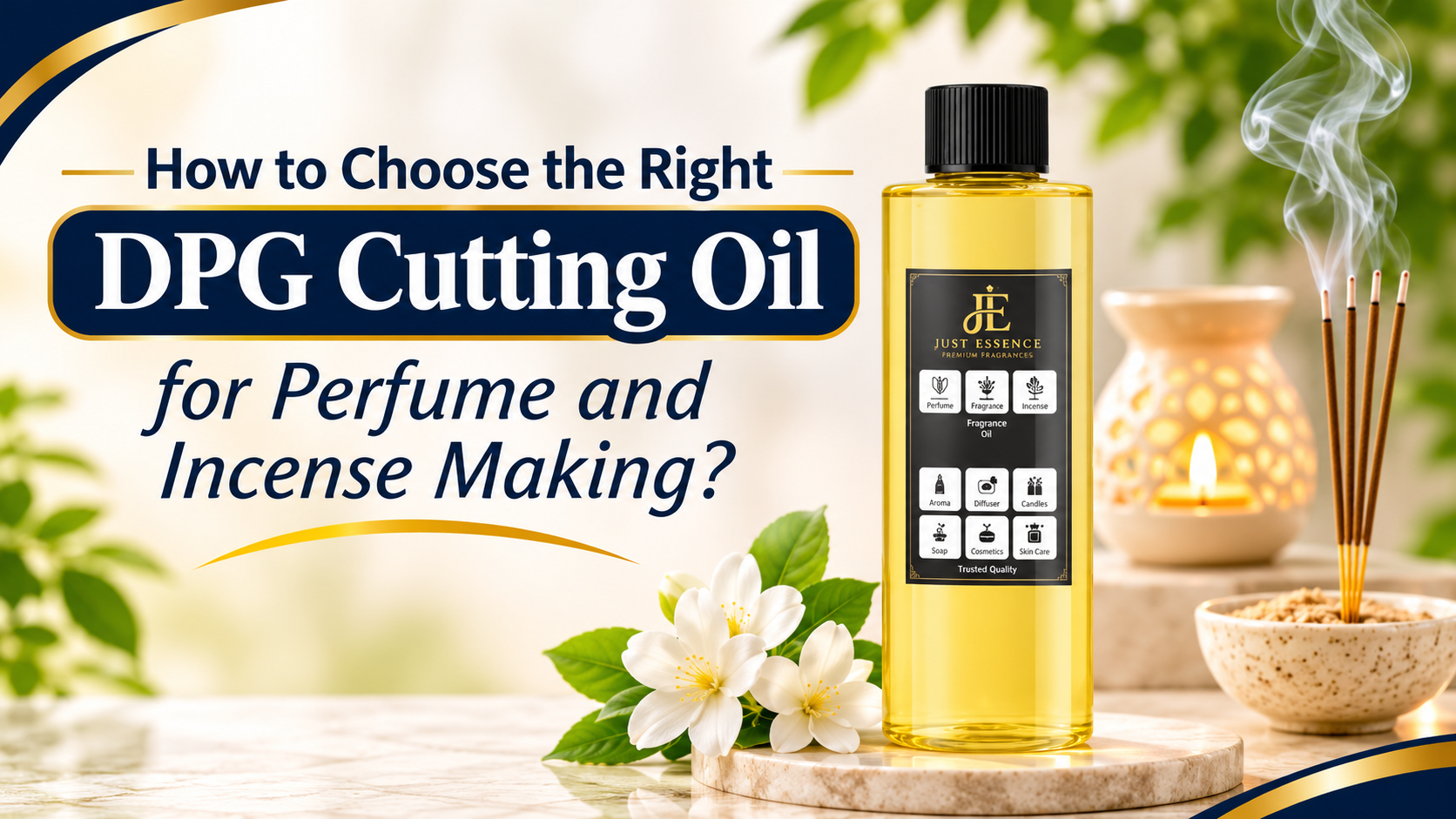
Just Essence offers premium fragrance-grade DPG cutting oil that mixes smoothly with both synthetic and natural fragrance oils, helping preserve the original character and quality of your fragrance blends.
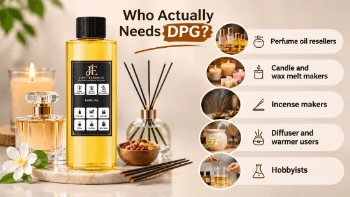
Who Actually Needs DPG?
-
Perfume oil resellers adjusting concentration before bottling
-
Candle and wax melt makers fine-tuning scent throw
-
Incense makers dipping unscented blanks into a fragrance solution
-
Diffuser and warmer users who want a longer-lasting burn
-
Hobbyists testing custom accords without burning through pure concentrate
6 Things to Check Before You Buy DPG Cutting Oil
1. Grade
Industrial-grade glycols are not made for fragrance work. Buy only fragrance-grade or perfumery-grade DPG. Anything else can carry a faint sour or plastic note that shows up after a few hours on skin.
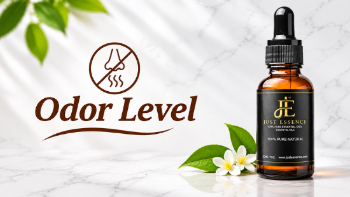
2. Odor Level
A good cutting oil should be low odor to odorless. Open the bottle and smell it neat before you blend. If you can detect it on its own, it will sit underneath every blend you make with it. This matters most when you are cutting delicate naturals such as our essential oils, where even a faint background note from the diluent will show up in the finished blend.
3. Clarity
Hold the bottle to the light. Fragrance-grade DPG is water-clear. Cloudiness, sediment, or a yellow tint usually points to contamination or long storage in poor conditions.
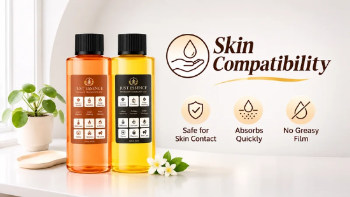
4. Skin Compatibility
If you are making wearable perfume oils at Just Essence, your diluent has to be safe for skin contact. DPG is widely used in wearable perfume oils for exactly this reason, and it absorbs without the greasy film some carrier oils leave behind.
5. Size Options
Buy to your volume. Smaller sizes suit testing and small batches. Larger sizes make sense once you are filling repeat orders. Our DPG is stocked in both 1 lb and 8 lb options, so you can scale without switching suppliers mid-project.
6. Supplier Consistency
Batch-to-batch variation ruins repeat formulas. A supplier who stocks the same grade year-round lets you reproduce a bestseller exactly as customers remember it.
Choosing DPG for Perfume Making
Perfume blending is about control. Start concentrated and dilute down in steps rather than dumping in diluent and hoping.
Starting ratios to work from:
-
Strong oil-based perfume: 1 part fragrance to 1 part DPG
-
Everyday wearable strength: 1 part fragrance to 2 parts DPG
-
Light, office-friendly scent: 1 part fragrance to 3 parts DPG
Mix, cap, shake gently, then let the blend rest for 24 to 48 hours before judging it. Fresh blends smell sharper than settled ones. Once you land on a ratio you like, write it down with the exact weights so you can repeat it.
Pair your diluent with concentrates from our fragrance perfume oils range, and bottle the finished blend in roll-on bottles for easy, mess-free application.
Choosing DPG for Incense Making
Incense dipping works differently. The blank has to soak up the solution, hold it, and then dry.
What to keep in mind:
-
Use a thinner mix than you would for perfume so the blanks absorb fully
-
Dip in a tall, narrow container to cover the coated section evenly
-
Let sticks dry flat on foil or parchment, turning once, until the surface is no longer tacky
-
Dry in a ventilated space away from direct heat
-
Cure in a sealed bag for a few days before use so the scent settles
Too little DPG and the fragrance stays gummy on the stick. Too much and the throw goes weak when burned. Test a batch of five before committing a full tray.
Getting a Stronger Throw in Warmers and Diffusers
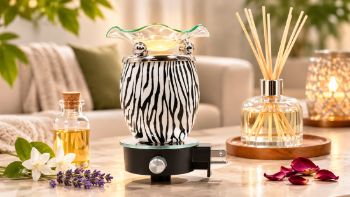
For an electric oil warmer or a reed diffuser, run a slightly stronger concentration than you would for skin. Heat disperses the blend fast, so a thinner mix fades before the room fills. A 1:1 ratio is a solid starting point, adjusted up or down based on room size.
Common Mistakes to Avoid
-
Guessing instead of weighing. Drops vary. Use a scale.
-
Mixing in a dirty container. Residue from a previous scent carries over.
-
Judging the blend immediately. Give it a rest period.
-
Using DPG as a skin moisturiser. It is a diluent, not a treatment oil.
-
Storing in direct sunlight. Keep bottles capped, cool, and out of the light.
Storage and Shelf Life Tips
-
Keep the cap tight to avoid moisture pickup
-
Store upright in a cool, dark cupboard
-
Label every blend with the fragrance name, ratio, and date
-
Decant working amounts into a smaller bottle so the main supply stays sealed
Ready to Start Blending?
Get fragrance-grade DPG in the size that fits your batch, and build blends you can repeat order after order. Shop DPG cutting oil now, and if you need help picking a ratio, a size, or a wholesale quantity, contact our team and we will point you in the right direction.
FAQs
1. What is DPG cutting oil used for?
It dilutes concentrated fragrance oils for perfume blending, incense dipping, candle scenting, and diffuser blends, without altering the scent profile.
2. What is the best DPG to fragrance ratio?
The most common range is 1 part fragrance to 1-3 parts DPG. Use 1:1 for strong perfume oils and warmers, and 1:3 for lighter wearable blends.
3. Is DPG safe to use on skin?
Fragrance-grade DPG is widely used as a skin-safe base in wearable perfume oils. Always patch test a finished blend before full use.
4. Does DPG have its own smell?
Good fragrance-grade DPG is low odor to odorless, which is why it works as a neutral base. A noticeable smell points to a lower grade.
5. Can DPG be used with natural and essential oils?
Yes. It blends with both synthetic fragrance oils and natural oils, making it suitable for custom accords and tested blends alike.